I received the following e-mail yesterday and asked if I could answer it here.
I think the info is worth sharing.
Hi David:)
Thank you for all you do at the base group. I really
enjoy learning. I have let my back lot just do it’s thing the past
couple of years and now I’m finding interesting things that in the past
were probably mowed or cut back. Now the task at hand is to start
identifying them before I make decisions to make room for other things.
Could you help? Also what guides would you recommend so that I can learn
how to identify them myself? I think I found muscadine grapes and wild
black berries as well. The black berries are MUCH smaller than when I go
picking at a farm though. Perhaps I’m mistaken?
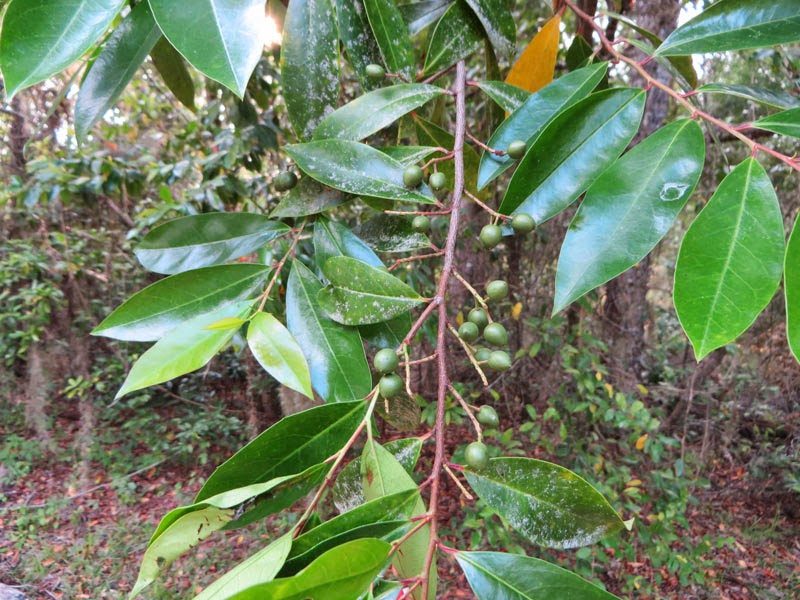
This one is the tree I mentioned. The berries start green but progresses to red and then a dark purple.
The
2nd plant is taking over the yard and is growing in a large mass of
lantana under trees. This is the first time I’ve seen them.
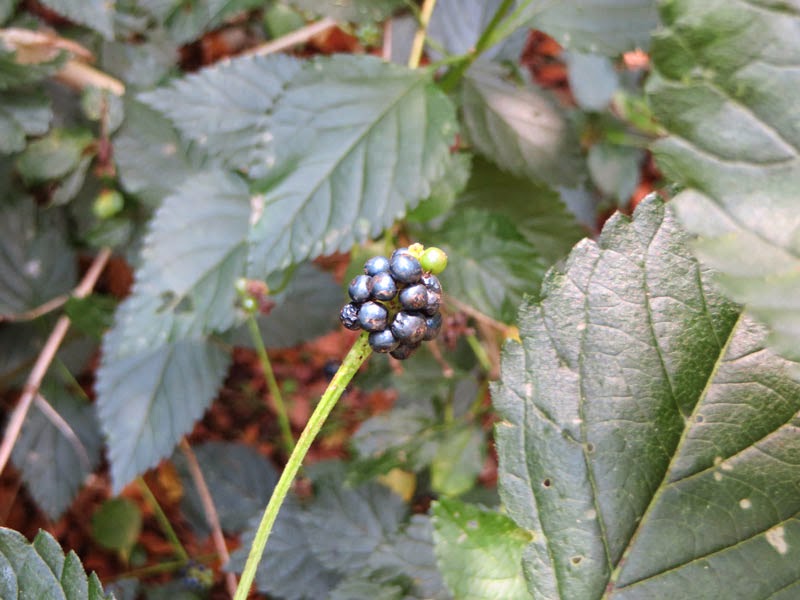

The 4th I think might be spurge nettle?

Thanks for your help if you can. Looking forward to the next meeting.
K.
First of all, I have to say: those are darn good photos.
Most of the plant ID pictures I get are blurry. One of these days I’m going to poison someone because I was trying to figure out a nebulous pixelated photo and got a canna mixed up with an oleander.
Seriously – you take better pictures than I do. Can I outsource my photography from now on?
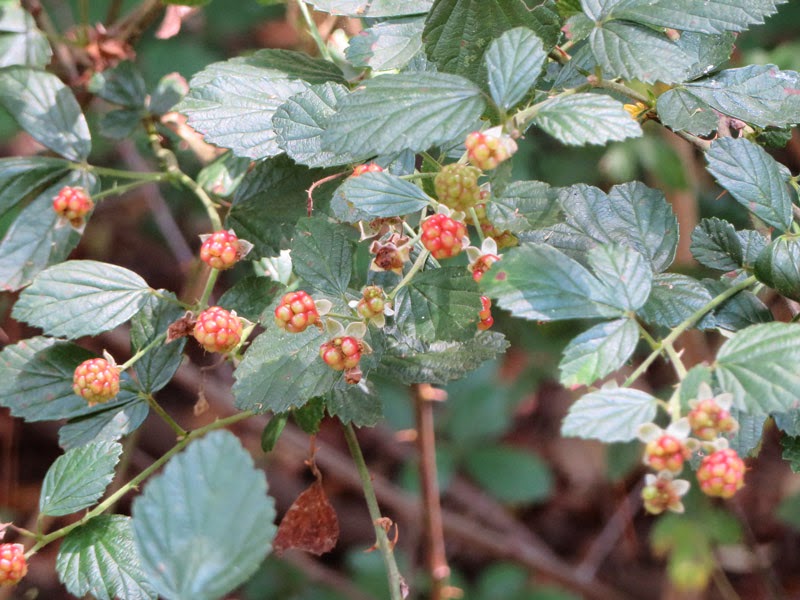
In the first photo, K has definitely found something in the Rubus family. It’s an edible blackberry of some type, though nailing down the exact species is tough. Taste them and if they’re good, encourage them!
The second plant is a laurel cherry. Though it has lots of edible relatives, including the wonderful black cherry, this plant is poisonous. Don’t eat them! The way to tell the difference between the laurel cherry and the black cherry? Look for little “beaks” or points, at the end of the fruit. If it has those, it’s poisonous. The laurel cherry also has leaves that smell strongly of maraschino cherries or almonds when crushed.
That’s cyanide. Mmm… NOT!
As for the third plant, that looks like lantana berries to me. They’re supposedly edible when completely black, but I haven’t tried them. Green Deane writes about lantanas here. Worth reading.
The third plant is a cactus. It’s a prickly pear of some sort. Edible and delicious, provided you can deal with the spines properly. Cut them out or toast the pads over an open flame. I like these cactuses a lot, especially in chili.
As for the final plant, it is definitely a spurge nettle. They have roots that are edible cooked, but the edibility of the leaves is unknown. Don’t touch them – they hurt! With spurge nettles growing on your property, chances are you can grow their much more edible cousins, chaya and cassava.
There are a lot of wild edibles out there. Keep your eyes open and you never know what you’ll find.
As for guides, I like this one.
I also like EatTheWeeds.com.
All the best,
David the Good

5 comments
David…My Mom always called the smaller blackberries "Dew berries" we have them all over our property here in NW Florida. We love them in cobblers, jams. homemade yogurt…well just about anything you would normally do with a blackberry.. You just have to pick more of them because of their smaller size.
I've also heard them called dewberries. They definitely have a little different shape from the blackberries I have growing around my home.
Thank you David. I'll give those "dewberries" a try when they are ripe. As for the lantana one thing lead to another when reading about the berries and it appears the leaves have medicinal properties such as antimicrobial, antiflamatory, antiseptic and have been used as a poultice in traditional medicine. What an interesting plant.
Hi, From an herbalist perspective, the prickly pear cactus is also a great drawing agent for wounds / infections. Cut the pad open and scrape out the gel. The gel can then be placed on the area that needs an infection drawn out. I.E. the jaw for an infected tooth. Be careful touching the pads as they do have fines spines that hurt. Also, Dr. Frances Porcher, has published that tallow candles can be made from the pads in lieu of wax. He states to take 5-6 pads and boil them in the1 lb. of tallow without water for at least 30 minutes, strain and mold the candles. Have the wicks (already dipped in turpentine and dried) ready. One pound of cactus pads to four of tallow. A larger quantity makes the candles too brittle.
Very good insight – thank you.
Comments are closed.