
Last year my wife and I shared the magical experience of visiting an organic cocoa farm in the Caribbean.
We tried bananas we’d never seen before… ate coffee cherries right off the bushes… tasted fruits we didn’t know existed… all while marveling at the incredible productivity possible in a year-round warm climate with great soil.
One thing I found quite interesting was the apparent glowing health of the natives. The men and women had excellent musculature, bright smiles and their skin was consistently good.
If you’ve visited Walmart lately… you know it’s not the same in the US.
Part of the reason folks there were healthy is likely their active lifestyle. Most people walked to work, school and the market. The other reason I believe they looked so healthy was because they were regularly consuming organic foods grown in mineral-rich soils rather than processed and packaged foods. Those were relatively expensive, whereas herbs, fruits and vegetables were cheap. They were so cheap that food was literally falling from the trees by the sides of the road.
How does this relate to growing your own herbal tea? I’m getting there!
At our friends’ house where we stayed, we were introduced to a local custom of making “bush tea.” Bush tea was herbal tea created by gathering a variety of bits and pieces from the yard or local jungle. The amounts varied and the species gathered also varied by season, mood or availability.
You might pluck some lemongrass and toss in some mint… or take some Jamaican sorrel calyxes and add tropical thyme or bay leaves or ginger… the possibilities were limited only by your imagination.
It’s tough to get proper nutrition here in the US. We eat a pretty lousy diet with lots of calories – and very little of high nutrient value. Most of us just don’t have perfect year-round climates with nutrient-dense fruits and nuts falling off the trees into our hands as we stroll to the seashore for a swim.
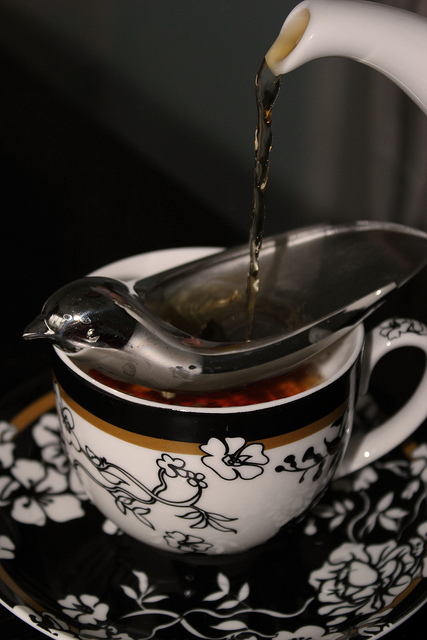
However, we can help keep ourselves healthy – particularly in the winter – by deliberately growing nutritional and medicinal herbs in our gardens and food forests, then drying and storing them for use as teas we can drink throughout the year.
Your local species will vary according to climate; but rest assured, there’s a delicious tea you can grow almost anywhere in the United States. Even if you’re in the frozen tundra you can grow some good herbs with the help of a growlight.
Here are a few plants I’ve grown and enjoyed as teas.
Rosemary
Spicy and tangy, rosemary is antibacterial and makes a non-conventional tea. Excellent when you’re sick. I toss a few sprigs into most batches of herbal tea I make.
Yaupon Holly
I’ve written on yaupon holly before. My favorite way to prepare it for tea is to trim off small branches and strip the leaves into a cast iron pan. I then toast them for about 10 minutes until they’re nicely browned, then crumble them up and brew tea in a French press. About a tablespoon of crushed leaves per cup of water makes a nice, earthy-smoky caffeinated tea.
Wild Onion/Garlic
When I have a throat cold, I love wild onion and garlic. Cut a fistful of leaves into little pieces and toss in a pot of water with chopped or powdered ginger. You can also add some sliced garlic cloves. I then salt with sea salt, making a very good soup-like broth. Quite soothing and delicious. If you want to get serious, toss in a couple of eggs while stirring and you end up with eggdrop soup!
Mint
Mint is good all the time. Everyone knows that so I don’t really need to write it; however, my sponsorship contract with the Society of Mint Cultivators, Experimenters, Users and Promoters of its Tantalizing Edible Applications (SOMCUPOTEA) requires that I mention mint tea in every article I write about teas. So there. I did it.
Oregano
Like Rosemary, Oregano isn’t commonly thought of as being good for tea. However, it’s very healing and strongly antibacterial, making it worth consuming. It also makes a tea that tastes somewhat Italian. I like Italian culture so this appeals to me.
Wild Violets
Though I don’t know anything about their medicinal value, violet flowers make a wonderfully blue tea with a delicate floral aroma. My daughter adores it.
Moringa

Moringa is one of the very healthiest things you can consume.
It makes a rich-flavored non-traditional tea. I mix the leaves, dry or fresh, in with many of my teas for both the medicinal and the nutritional benefits.Note: you can buy moringa seeds here:Moringa Oleifera Organic Seeds (100)
Sage
Sage is much like oregano and rosemary. Very good for you. Just don’t drink sage tea if you’re a nursing mother – it’ll dry your milk up.
Wormwood
Wormwood, as you would expect, makes a very bitter tea. That bitter tea is super-good for dealing with digestion issues. It’s also powerfully anti-parasitic. Grow a little wormwood and drink some once in a while. I’ve come to enjoy the bitterness. Bonus: wormwood can stand in for hops in beer brewing.
Ginger
Ginger is excellent for upset stomachs. In northern climates you can grow it in a pot. The roots and the leaves are both good for tea. I think they taste better fresh than dried. Learn more on growing ginger in this post.
Lemongrass
Lemongrass makes a healthy citrusy tea that’s very refreshing when iced and consumed on a hot day. It’s also well-suited to pot culture.
Other Ideas
The list above is just a start. You can also make tea from Lion’s Ear, Florida cranberry, true tea (Camellia sinensis), bay leaves, goji berries, a wide variety of mushrooms, elderberries, cinnamon, nutmeg, cloves and many other ingredients. Many herbs are very easy to dry on a countertop or hanging in bunches. Once dry, pack them away in jars and store them in a dark cabinet for the very best quality long-term.
Mix, match and figure out what you like. Now is the time to start drying what you can find. Plan ahead and you’ll be sitting by a toasty fire in January with a nice steaming cup of your own delicious herbal tea.
It might not be a tropical island… but it sure feels close.
Article originally published at ThePrepperProject.com. Add them to your short list of sites to visit – there’s always a stream of good info coming through over there.
Shop at Amazon – support Florida Survival Gardening

