Linda shares her experience anaerobic composting oranges:
After watching your video last year, I wanted to share a successful experiment I tried with the sour, seed-filled oranges from my tree that usually go to waste.
Last year, I put a spigot at the bottom of a 55-gallon plastic barrel, filled it with fallen oranges (cut in half), and added water to cover them. To control the odor, I secured 55-gallon trash bags over the top.
After a few months of anaerobic fermentation, I used the liquid to feed my garden soil. When I finally uncovered the barrel, instead of a slurry mess, I was amazed to find a solid black material. Research told me this was anaerobic digestate.
This year, I am layering this digestate with wood charcoal, fresh fallen oranges, and other organic material in a 55-gallon drum to create compost without fermenting it. If I have extra oranges, I will ferment another batch.
I just wanted to share my findings with you. If you have any suggestions or feedback, I would welcome your thoughts!
I wrote Linda back to see how the fertilizer worked in her garden. We’ve had good luck with anaerobic fertilizer in a barrel, which I call “Dave’s Fetid Swamp Water,” AKA “DFSW.”
This method is covered extensively in Compost Everything, and we also put it in multiple videos, like this one:
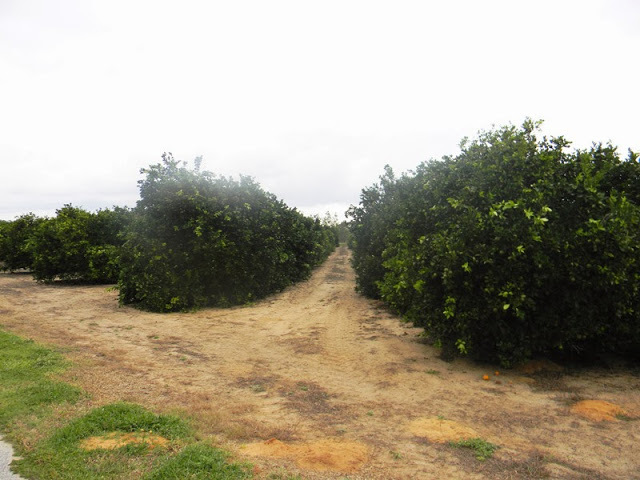
Linda’s experiment reminds me of a post from long ago, where I shared the story of poor land that was being reclaimed via the composting of citrus waste.
The “waste” at the bottom of the barrel is good stuff – it ought to make a good finished compost with her biochar and orange additives.
