
Getting rid of nematodes is just a dream for most Deep South gardeners. Various methods have been tried, from using beneficial nematodes to crop rotation to adding more compost, but now there may be an ultimate organic solution for killing nematodes.
A New Method for Controlling Nematodes
Last year I spoke with Sam Singleton of the Scrubland Farmz nursery in Ft. McCoy, Florida. He has been making compost tea from Tithonia diversifolia, also known as “Mexican sunflower” and “Tree marigold.” This is not to be confused with the other “Mexican sunflower” (Tithonia rotundifolia), which is an annual with orange blooms. No, the plant you are looking for is a giant, yellow-flowered perennial.
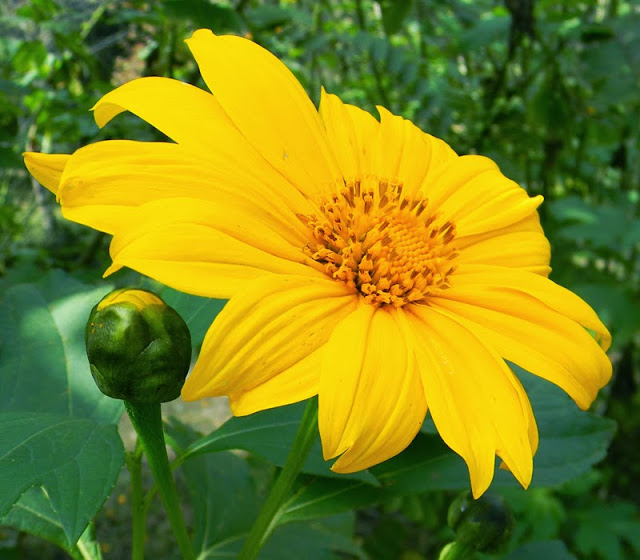
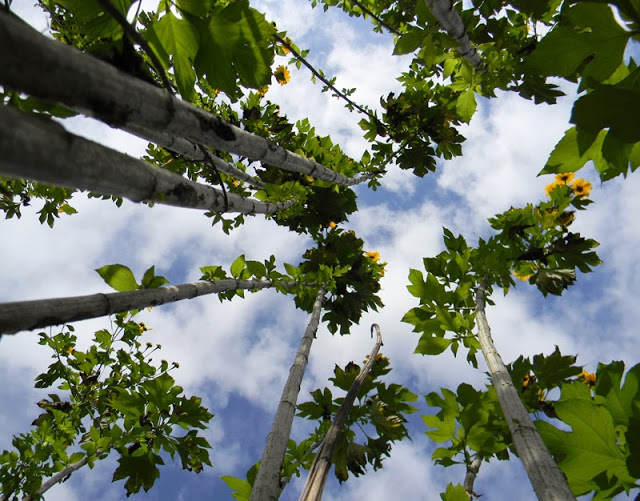
Those pictures are of Tithonia diversifolia.
This, in contrast, is its shorter annual cousin Tithonia rotundifolia:

This is not the sunflower you are looking for
Sam told me of a woman with severe nematode issues who soaked her garden with Tithonia diversifolia compost tea and within a week saw the knotted roots on her crops heal up.
Sam had been using the tea already and getting great results from his fruit trees, but had not directly tested it to see its effect on nematodes.
Yet this woman pulled some sad veggies up one week and saw nasty, knotted, nematode-infested roots… then a week after application, pulled more and noticed that the knots were gone!
How to make Tithonia tea
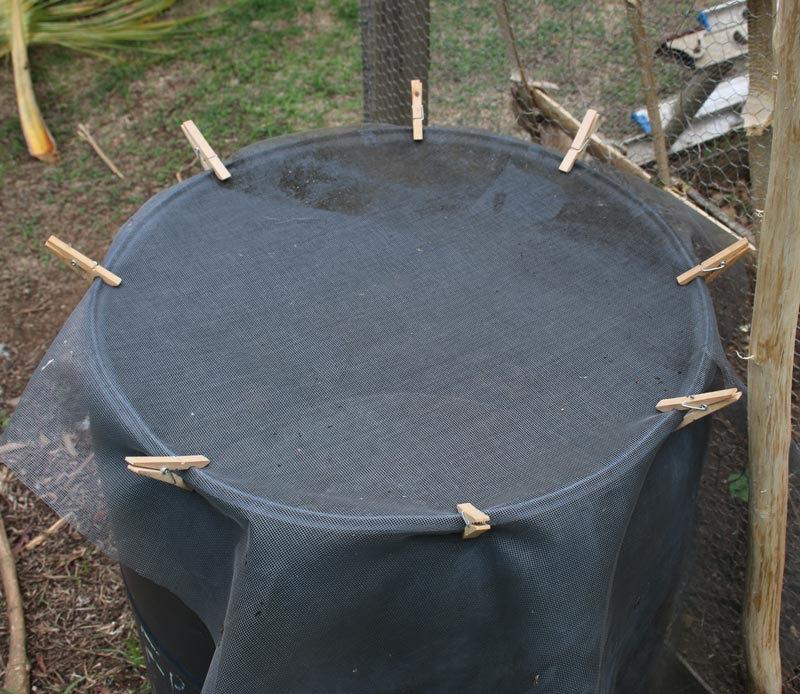
In order to make the tea, simply slash down some Tithonia diversifolia canes and strip the leaves off. Throw them in a bucket or barrel and cover them with water. In a week or two, they will have rotted down. Then you can just strain out the tea and water your nematode-infected areas. We cover the barrel either with a lid or a screen to keep out mosquito larva, like this:
Sam is sold on this method and I trust his judgement! Give it a try in your own garden and see what happens!
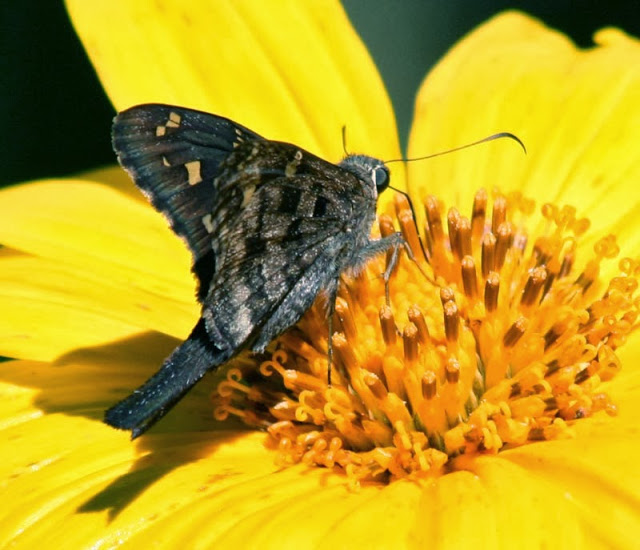
My daughter Daisy has some Tithonia cuttings available in her Etsy store if you don’t have this plant already. In zones 8 and warmer, it is a very useful chop-and-drop plant for the food forest, as well as being a good feed for animals and a delight to the pollinators.

4 comments
[…] observations show Tithonia diversifolia may eliminate […]
Hi, David
What would you plant mid August in Chambers County, Alabama?
Southern peas and another round of butternut squash. Then in a couple weeks, various beans.
I knew I recognized the lLatin name for this plant. I have these growing in zone 7. It dies back in the winter, but pops back up in the spring. I sowed them for the pollinators and to chop. I will try the tea, if I notice a nematode problem.
I am considering buying some beneficial nematodes, in order to eliminate Japanese beetles.
Comments are closed.